




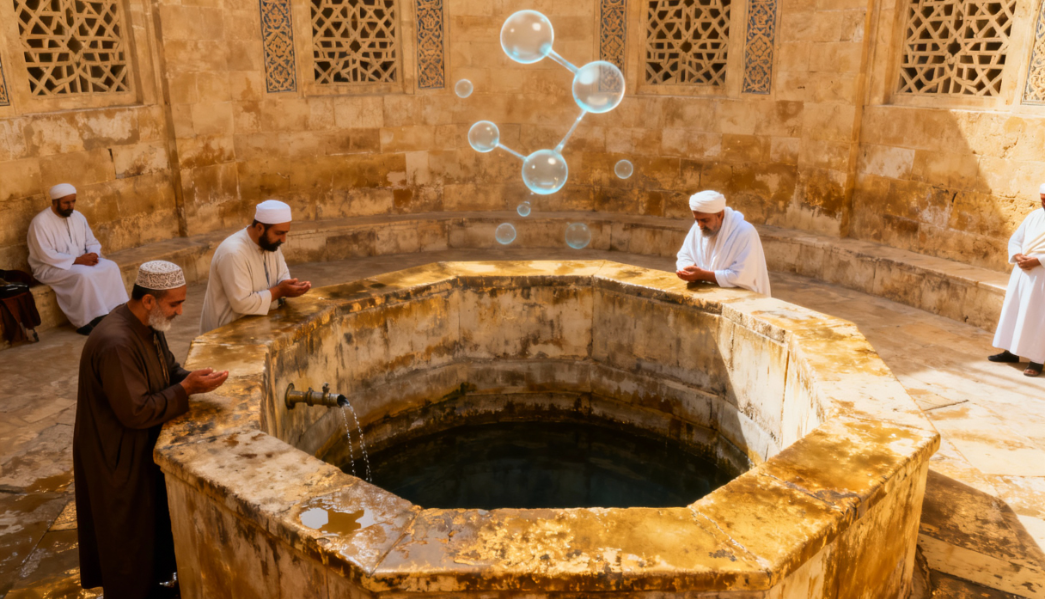
The story of Zamzam water is one of the most beautiful, emotional, and spiritually uplifting stories in Islamic history. For Muslims across the world, Zamzam is more than just water. It is a symbol of hope, faith, and the mercy of Allah that reaches people in the desert and beyond. Pilgrims travel to Makkah with the dream of drinking Zamzam directly from its blessed source, and many carry it home to share with family and friends. This connection to Zamzam has existed for thousands of years and continues to grow with each generation.
Zamzam is not just historically important. It holds great religious value, scientific interest, and emotional significance. It has a long journey that begins with a mother and her child in the desert, and from there, it becomes a continuous miracle that flows to this day. Understanding its story gives a deeper appreciation of why Muslims treat Zamzam with respect and gratitude, especially for those exploring Birmingham Umrah Packages who wish to learn the spiritual meaning behind every part of their pilgrimage.
What Is Zamzam Water
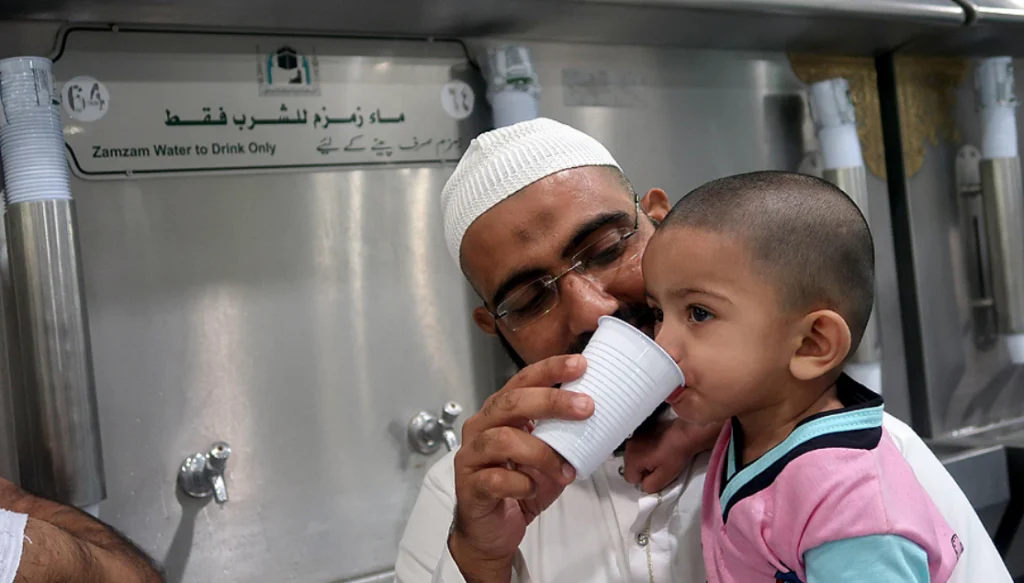
Zamzam water comes from a well located inside Masjid al Haram in Makkah. This well is one of the oldest continuously flowing water sources on Earth. What makes it special is not only its age but also its origin, which is deeply rooted in the story of Prophet Ibrahim, his wife Hajar, and their son Prophet Ismail. Muslims consider it a blessed miracle that continues to serve millions of pilgrims every year.
Zamzam water is clear, naturally fresh, and has a taste that many people can immediately recognize. It has a unique mineral composition that gives it a distinct flavor. For many Muslims, even a single sip brings a sense of peace and spiritual comfort. Scientists have studied this water for many years and consistently found it to have a composition different from normal well water.
The Beginning of the Zamzam Story
The story begins with Prophet Ibrahim, who received a command from Allah to take his wife Hajar and their infant son Ismail to the barren valley of Makkah. At that time, Makkah had no houses, no trees, and no people. It was an empty, silent desert. Despite the difficult situation, Prophet Ibrahim obeyed the command, trusted Allah, and left his family with some basic food and water.
Hajar soon ran out of the little water she had. Her baby Ismail began to cry from thirst, and she desperately searched for help. She ran between the hills of Safa and Marwah, hoping to find anyone who could offer water. She continued this search seven times, filled with worry but driven by strong faith. Her effort is now remembered through the ritual of Sa’i, performed by millions of pilgrims during Umrah and Hajj.
The Miracle of Zamzam
After Hajar’s seventh round, she heard a sound near her baby. When she returned, she saw the angel Jibreel striking the ground with his wing. From that dry and lifeless sand, water began to gush out. This was the miraculous beginning of the Zamzam well. Hajar quickly gathered the water and said the words Zam Zam, which means stop or collect, and that’s how Zamzam got its name.
The water continued to flow, and soon life appeared around it. Birds began circling the area, which attracted a tribe named Jurhum. They asked Hajar for permission to live near the water, and she agreed. This marked the beginning of settlement in Makkah. A place once empty became a city thanks to the miracle of Zamzam.
Zamzam Through the Prophets and History
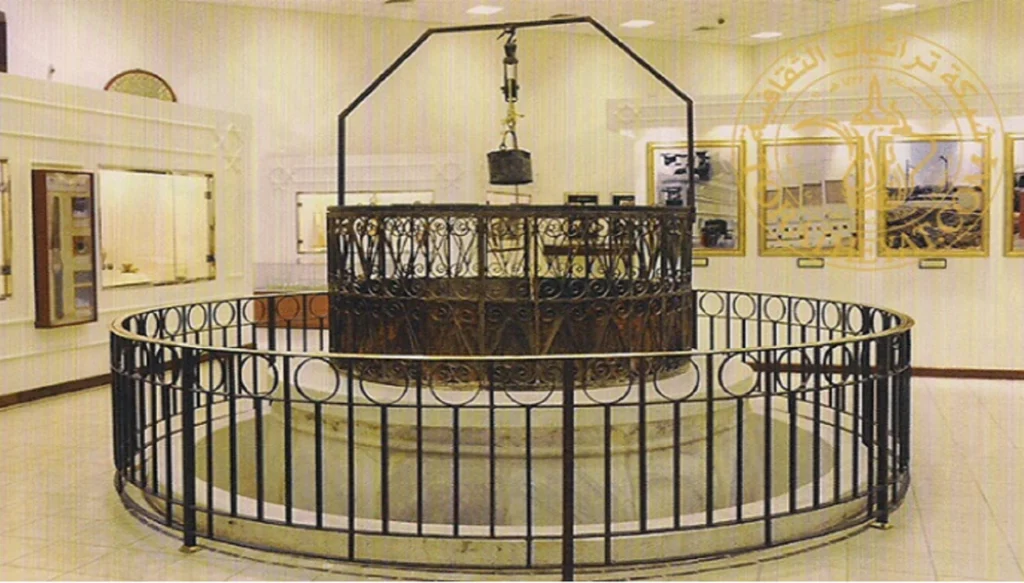
Prophet Ismail grew up near the Zamzam well and became a prophet. Prophet Ibrahim returned many times to visit him and his mother. Together they built the Kaaba near the well. This placed Zamzam at the center of Islamic history and made it a permanent source of blessings for all believers. Over time, travelers, traders, and pilgrims continued to visit the area because of the sacred well.
There were times when the well was lost, buried, or damaged due to natural and human events. However, every time, Allah allowed it to be rediscovered or restored through people chosen for this task. One famous rediscovery happened in the time of Abdul Muttalib, the grandfather of Prophet Muhammad. He received a dream showing him where to dig, and after great effort, the well reappeared. This strengthened the spiritual connection between the Prophet’s family and the Zamzam well.
Zamzam in the Time of Prophet Muhammad
During the life of Prophet Muhammad, Zamzam continued to play a major role. The Prophet drank from it many times and encouraged others to drink it with intention and prayer. He said that Zamzam is for whatever purpose it is drunk for. This means a person can drink it with the intention of healing, strength, knowledge, or spiritual comfort. The Prophet also used Zamzam water for cleansing and performing rituals.
As more people embraced Islam, the number of visitors to Makkah increased. Yet, the Zamzam well never dried up. This itself is a miraculous sign because the water continues to flow even though millions of pilgrims visit the site every year. The well kept its special taste, its purity, and its unique mineral level throughout the centuries, making it a cherished highlight for those choosing Ramdan Umrah Packages during the blessed month.
Scientific Studies on Zamzam
Scientists have studied Zamzam water for decades because it is different from normal groundwater. Its mineral content is higher, yet perfectly balanced. It contains elements that provide natural refreshment and quick hydration. Researchers also found that Zamzam water is free from harmful bacteria, despite being consumed by millions of people. This purity remains consistent, which makes it a topic of great scientific interest.
Many experts have noted that the well refills itself very quickly. Even when large amounts are pumped out during Hajj season, the water level does not significantly drop. This is unusual for natural wells and adds to its miraculous nature. Scientists believe it is fed by a special underground source unlike regular aquifers. These findings match the Islamic belief that Zamzam is not an ordinary well.
Unique Characteristics of Zamzam Water
One of the most interesting qualities of Zamzam is its natural taste. People who drink it often say they can distinguish it from any other water. Its mineral levels give it a light but noticeable flavor. While most wells change in taste depending on weather or soil, Zamzam remains consistent. This stability adds to its uniqueness.
Another key feature is its ability to quench thirst quickly. Pilgrims often mention that a small amount makes them feel refreshed. This could be due to its mineral composition and balance of electrolytes. Some people drink it with the intention of cure and feel relief. This spiritual and physical effect makes Zamzam one of the most respected waters on Earth.
Importance of Zamzam in Islam
Zamzam holds deep religious importance because it is tied directly to the story of Prophets Ibrahim, Ismail, and Muhammad. It reminds Muslims of Hajar’s struggle and Allah’s mercy. It is a symbol of prayer being accepted and the power of faith in difficult times. Drinking Zamzam connects a believer to this rich history and strengthens their spiritual bond.
During Hajj and Umrah, Zamzam is an essential part of the pilgrim’s journey. Drinking it after completing Tawaf or Sa’i gives a sense of peace and reward. Many scholars encourage drinking Zamzam with intention, as the Prophet taught. This adds meaning to the act and turns it into a moment of dua and reflection.
Spiritual Benefits of Zamzam
Muslims believe that Zamzam offers spiritual benefits because it is a blessed water. When someone drinks it with sincerity and a good intention, they hope Allah accepts their prayers. Many drink it for healing, strength, protection, or knowledge. People often feel emotionally calm after drinking it, as if they are spiritually refreshed.
Families around the world treat Zamzam with respect. They give it to sick relatives, children, and guests. This shows how deeply Zamzam is connected to care, love, and kindness. Sharing Zamzam is also seen as sharing blessings, which increases affection among people.
Physical and Health Benefits
Zamzam water is naturally rich in minerals. These minerals provide energy and help the body stay hydrated. Many people feel more active after drinking it, especially in the hot climate of Makkah. Its balanced composition makes it safer and healthier than many natural sources.
Some researchers say Zamzam water has anti-bacterial properties and supports the body’s natural healing. While scientific studies continue, millions of people have shared personal experiences of feeling better after drinking it. Whether through faith, minerals, or both, Zamzam benefits people physically in many ways.
The Etiquette of Drinking Zamzam
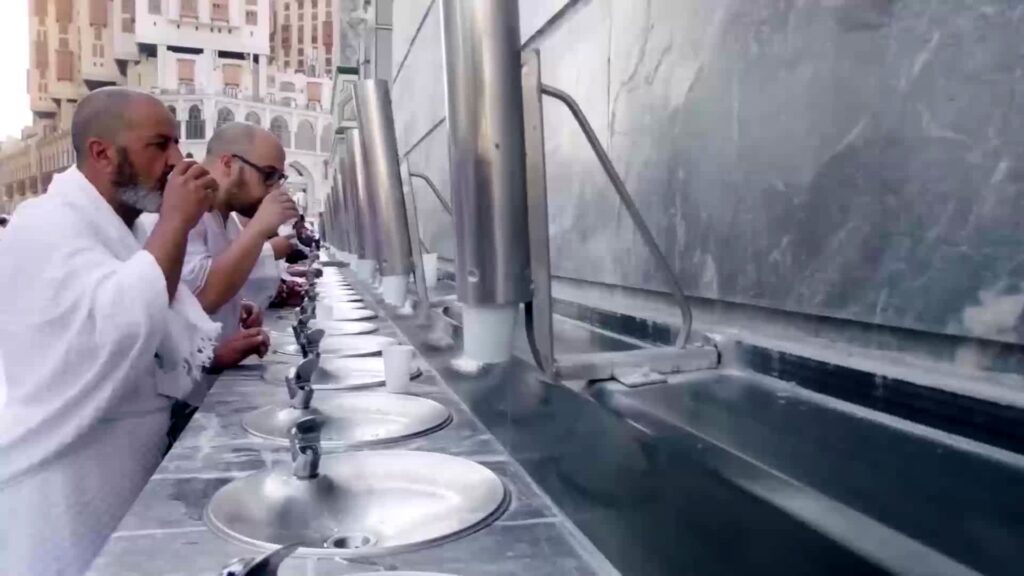
Islam teaches respect when drinking Zamzam. One of the etiquettes is to face the direction of the Kaaba while drinking. Another is to say Bismillah and drink with intention. Pilgrims usually drink it in three sips, following the practice of the Prophet. After finishing, many make a dua because this moment is considered blessed.
Pilgrims also avoid wasting Zamzam because it is sacred. They take only what they need and stay mindful of cleanliness. This etiquette reflects the value Muslims place on the water and its connection to worship.
Zamzam During Hajj and Umrah

During the pilgrimage, Zamzam plays a central role. After the Tawaf, pilgrims walk to the Zamzam area to drink and fill their bottles. It becomes a moment of joy because they finally taste the water they have heard about their entire lives. Many make dua for forgiveness, health, and guidance at this time.
Pilgrims also pour Zamzam water on their heads or use it to refresh themselves before continuing their rituals. This is not a requirement but a personal choice that brings emotional comfort. The presence of Zamzam inside the Haram makes Hajj and Umrah more meaningful.
Distribution of Zamzam Around the World
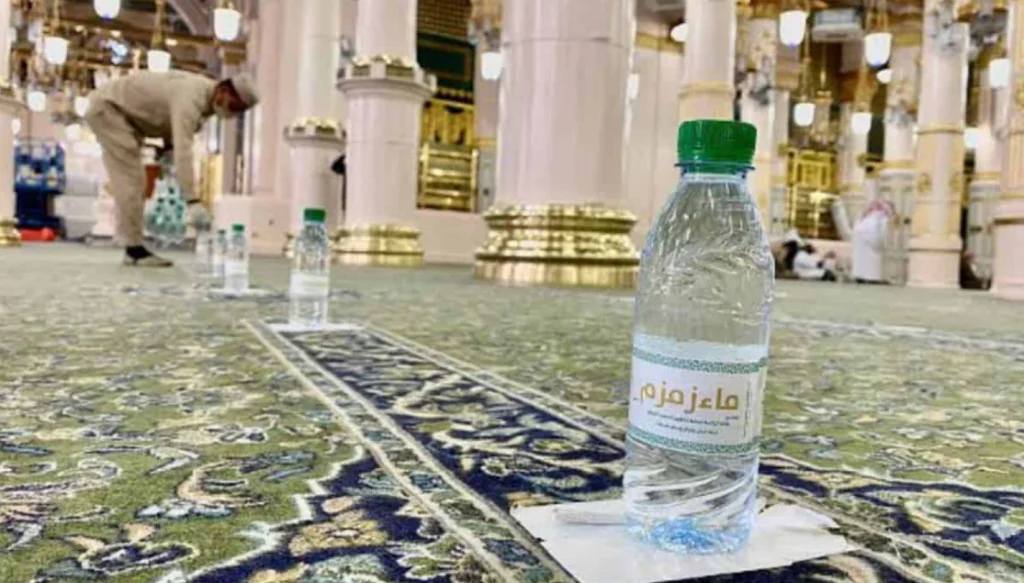
Every year, large quantities of Zamzam are distributed through official channels. Pilgrims bring bottles of Zamzam home for their families. This small gift carrie
s great emotional value. People treat it with respect and often keep it in special containers. It is used in moments of joy, illness, or prayer.
While many people wish for unlimited access to Zamzam, the distribution is carefully controlled to protect the well and ensure fair sharing. This system allows Muslims worldwide to connect to Makkah even from far away.
Modern Management of Zamzam
Today, Zamzam is managed using advanced technology. The well area is cleaned regularly, and water is tested daily to maintain quality. Special pipes transport the water safely to distribution points. Automatic filling stations make it easier for pilgrims to take water without waiting long.
Despite all this modern machinery, the source of the well remains natural. People admire how a miracle that began thousands of years ago continues to flow even in today
’s world of advanced science and technology.
Why Zamzam Remains Special
Zamzam is special because it connects three worlds at once. It connects the world of history by reminding believers of Hajar’s courage and Prophet Ibrahim’s trust. It connects the world of science by presenting unique natural qualities that researchers continue to study. And it connects the spiritual world by offering comfort, dua, and blessings to millions of Muslims, a truth often highlighted by Umrah Travel Agents when guiding pilgrims on their sacred journey.
Even with modern water systems, Zamzam remains irreplaceable. Its taste, its meaning, and its story make it something no science can fully explain. The well still stands where it was revealed, and its presence in the Haram strengthens the bond between worshippers and their faith.
What Zamzam Teaches Us
The story of Zamzam teaches lessons of patience, effort, and trust in Allah. Hajar did not sit and wait for help. She ran and searched with full effort, and Allah rewarded her with a miracle. This shows that action and faith go together. The water flowing today is a reminder that Allah answers prayers at the right time.
Zamzam also teaches the value of gratitude. Pilgrims drink it with appreciation, knowing the story behind every drop. It inspires believers to stay hopeful even in difficult situations because relief can come from unexpected places.
Cultural and Emotional Value
In many Muslim homes, Zamzam is treated as a treasure. When someone returns from Hajj or Umrah, giving Zamzam water to relatives is a sign of love. People save it for special moments such as illness, exams, travel, or dua. This emotional connection is passed down between generations.
Children grow up hearing the story of Zamzam, making it part of their identity. It brings families together and strengthens their love for the teachings of Islam. In this way, Zamzam is both a spiritual gift and a cultural symbol.
Conclusion
The story of Zamzam is a journey of faith, history, and continuous miracles. It begins with a mother and her child in the desert and expands into a global symbol of Allah’s mercy. It has both spiritual and scientific significance, making it unique among all natural waters. Zamzam remains an essential part of the pilgrim experience and a treasured gift for Muslims around the world. Through its story, believers learn the values of patience, trust, and gratitude.