




The Allure of Risk in Gambling
The psychology of risk is a fundamental aspect of casino gambling that captivates players around the world. Risk-taking behavior is deeply rooted in human nature, and many individuals are drawn to the excitement that gambling offers. In this context, many people turn to online bookmakers to enhance their experience. Whether it’s the thrill of a potential jackpot or the suspense of a game of chance, the uncertainty involved in gambling creates an adrenaline rush that keeps players coming back for more.
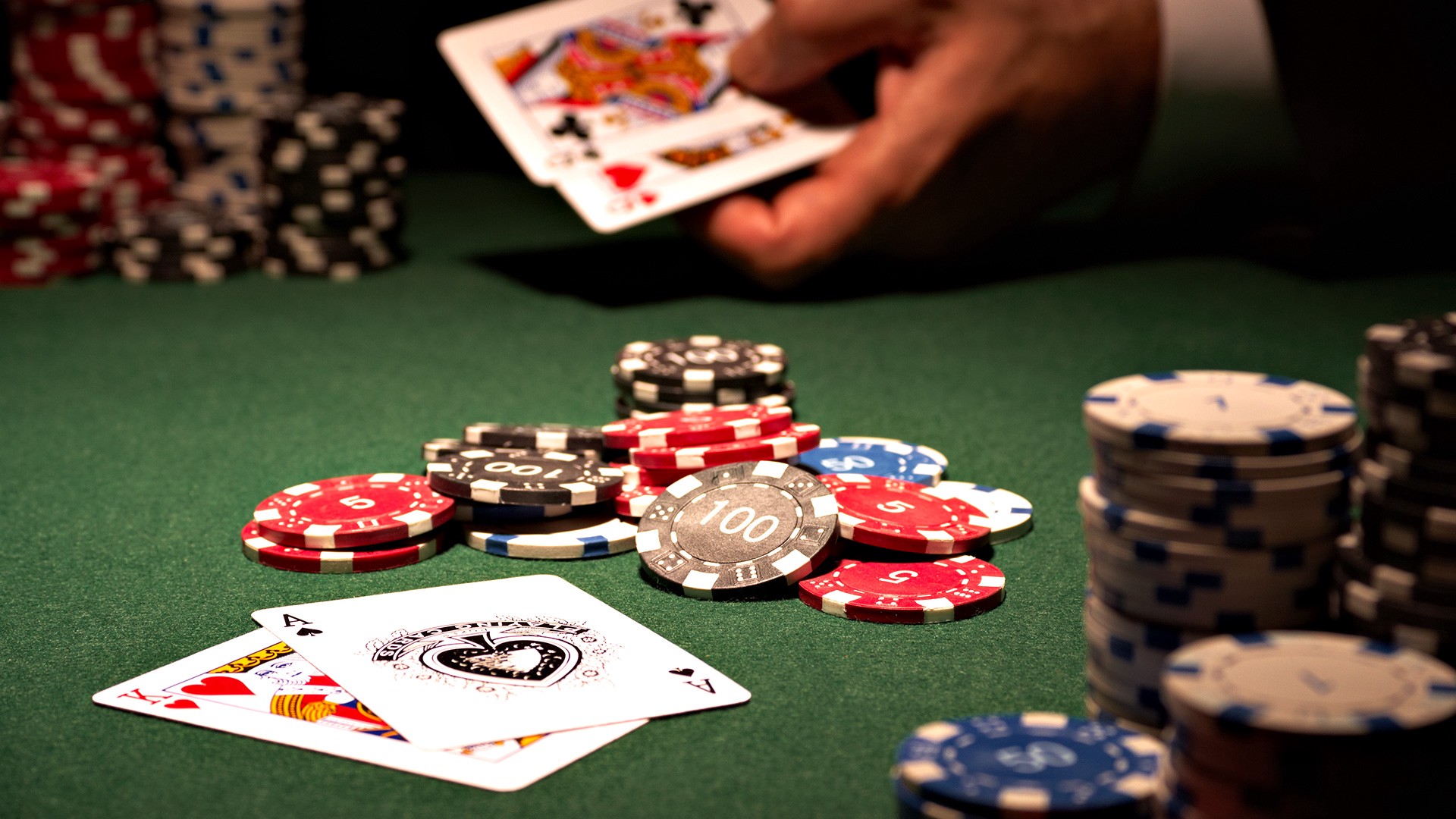
This allure is not just about financial gain; it also connects to psychological triggers. For many, placing bets provides a sense of control over an unpredictable environment, allowing players to escape from daily stressors. The anticipation built during each game can lead to heightened emotions, making the risk seem less daunting and more exhilarating.
The Role of Cognitive Biases
Cognitive biases heavily influence how gamblers perceive risk and reward. One common bias is the “gambler’s fallacy,” where players believe that past events can influence future outcomes. For instance, if a slot machine hasn’t paid out in a while, a player might feel that it’s “due” for a win, increasing their willingness to take risks. This erroneous belief can lead to larger bets and prolonged gambling sessions.
Another significant cognitive bias is the illusion of control. Gamblers often think they can manipulate outcomes through strategy or skill, particularly in games like poker or blackjack. This misconception amplifies their willingness to take risks, as they believe their actions will yield favorable results despite the inherent randomness of the games.
Emotional Factors in Gambling Decisions
Emotions play a critical role in the decision-making processes of gamblers. High-stakes environments, such as casinos, often evoke strong feelings, including excitement, anxiety, and euphoria. These emotions can cloud judgment and lead to impulsive decisions, pushing individuals to take risks they might otherwise avoid.
Additionally, the environment of a casino is designed to heighten emotions, with bright lights, loud sounds, and the presence of other excited players. This sensory overload can create a sense of urgency or FOMO (fear of missing out), compelling individuals to place riskier bets and indulge in more gambling than intended.
The Impact of Social Influence
Social dynamics also significantly affect the psychology of risk in gambling. Peer pressure and social validation can prompt individuals to take risks they might not consider alone. For example, a group of friends celebrating a win may encourage one another to place larger bets, further amplifying the excitement and risk involved.
Additionally, social interactions within gambling settings can create a sense of community and camaraderie, reinforcing the thrill of collective risk-taking. This social environment can sometimes lead to a phenomenon known as “groupthink,” where individuals in a group overlook risks in favor of shared exhilaration and decision-making.

Conclusion and Resources
Understanding the psychology of risk in casino gambling is essential for both gamblers and those looking to support responsible gambling practices. The interplay of cognitive biases, emotional triggers, and social influences can significantly impact decision-making and risk perception. By recognizing these factors, individuals can gain better control over their gambling behaviors.
While gambling can be an exciting form of entertainment, it is crucial to maintain awareness of these psychological influences. For more information and resources on responsible gambling and its psychological aspects, users are encouraged to explore the various sections of our website, which aims to provide valuable insights into this fascinating topic.